

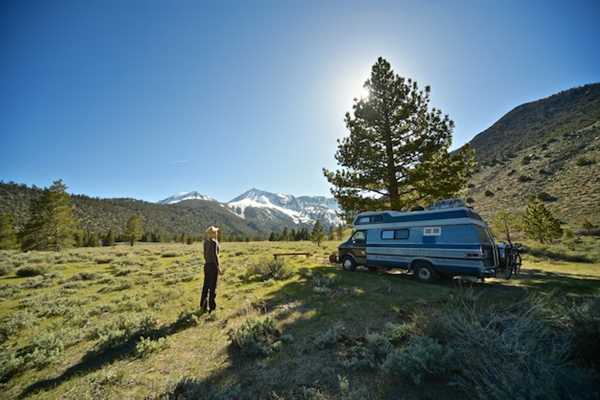
Choose a van that integrates comfort and practicality to fully enjoy the great outdoors. Look for models featuring high clearance and durable tires, allowing access to rugged terrains without a hitch.
Opt for vehicles equipped with off-grid capabilities, including solar panels and large water tanks, ensuring independence from traditional amenities. Check for ample storage solutions; this makes it easier to carry equipment for hiking, fishing, or any other outdoor activities.
Be mindful of the weight limits to ensure safe driving conditions. A well-rounded motorhome should offer fuel efficiency, so research specifications to find the perfect balance between power and economy.
Opt for a layout that encourages social interaction, enabling you to share experiences around a cozy dining area or lounge after a long day. Don’t overlook the importance of weather protection features, such as insulated cabins and all-weather awnings, to maximize comfort during any trip.
Choosing the Right Adventure Motorhome for Off-Road Journeys
Select a model equipped with all-wheel drive. This feature provides better traction on uneven surfaces, making unpredictable terrains easier to navigate.
Consider ground clearance. Look for units with a height of at least 10 inches. This allows for crossing through rough patches and deeper ruts without damaging the vehicle.
- Think about vehicle weight. A lighter motorhome can handle challenging routes more effectively than a heavier counterpart.
- Examine the suspension system. Heavy-duty shocks can absorb bumps and impacts, ensuring a smoother ride on rocky paths.
Evaluate the internal layout. A well-organized interior maximizes comfort during long trips, providing ample storage for gear and supplies.
- Factor in fuel efficiency. Larger engines consume more fuel, which can be a significant drawback on extended outings.
- Ensure compatibility with off-road equipment. Winches, extra tires, and other tools may be necessary depending on the path you choose.
Review amenities. Elements like a full kitchen or bathroom can enhance the experience, allowing for self-sufficiency in remote settings.
Seek models with high durability ratings. Quality construction will withstand rough conditions, reducing maintenance costs over time.
Investigate customer feedback and reviews. Real-world experiences provide insights that specifications alone cannot convey, helping in making a well-informed decision.
Essential Gear to Pack for Remote Destination Travels in Motorhomes

First aid kit: A well-stocked kit is a non-negotiable. Ensure it includes bandages, antiseptics, pain relievers, and any necessary prescription medications. This gear can prove life-saving in isolated areas.
Camping stove: Consider a portable unit that runs on propane or butane. It offers the convenience to cook meals regardless of your surroundings. Add cookware and utensils to create a compact cooking solution.
Water filtration system: Clean drinking water is critical. Invest in a quality filtration device to handle any source, from lakes to streams. This ensures safe hydration and reduces reliance on bottled water.
Portable power generator: A reliable power source can enhance comfort during travels. Opt for a generator capable of charging devices and running appliances, ensuring access to electricity wherever you stop.
Outdoor gear: Pack durable clothing suitable for varying weather conditions. Waterproof jackets, insulated layers, and sturdy footwear are necessary for outdoor activities like hiking or fishing.
Navigation tools: GPS devices, paper maps, and compasses are essential for off-the-beaten-path navigation. Download offline maps before your trip to ensure you stay on course without signal dependence.
Camping accessories: A quality tent or hammock provides alternative resting options. Include folding chairs and a portable table for comfortable outdoor meals and relaxation at scenic stops.
Emergency supplies: Prepare for the unexpected with items like a multitool, flashlight, and extra batteries. Store non-perishable food items and blankets to sustain comfort during unforeseen situations.
Safety Tips and Maintenance for Adventurous Motorhome Trips

Before heading out on a thrilling trek, ensure your vehicle is thoroughly inspected. Check the brakes, tires, and fluid levels systematically to avoid issues. Maintain a well-stocked emergency kit that includes items such as first-aid supplies, flashlights, extra food, and water. A little preparation can save your experience from turning problematic.
A reliable navigation system is indispensable. Invest in a trustworthy GPS device or download offline maps to help avoid getting lost in remote areas where signal can be weak or nonexistent. Familiarize yourself with the area before departure to identify potential hazards and the best routes to take.
Establishing a routine for regular upkeep is critical. This includes checking the engine and battery health before long travels. Make a list of maintenance tasks and schedule them, such as oil changes or tire rotations, to prolong the vehicle’s lifespan. Neglecting these can lead to breakdowns, which can be troublesome in isolated spots.
| Maintenance Task | Frequency |
|---|---|
| Oil Change | Every 5,000 – 7,500 miles |
| Tire Rotation | Every 6,000 miles |
| Brake Inspection | Every 10,000 miles |
| Fluid Levels Check | Before every trip |
| Battery Check | Every 6 months |
Maintain communication by investing in a satellite phone or a personal locator beacon (PLB) for emergencies. This ensures a connection should unforeseen circumstances arise. Always inform someone about your itinerary and expected return, providing peace of mind for both you and your loved ones.


